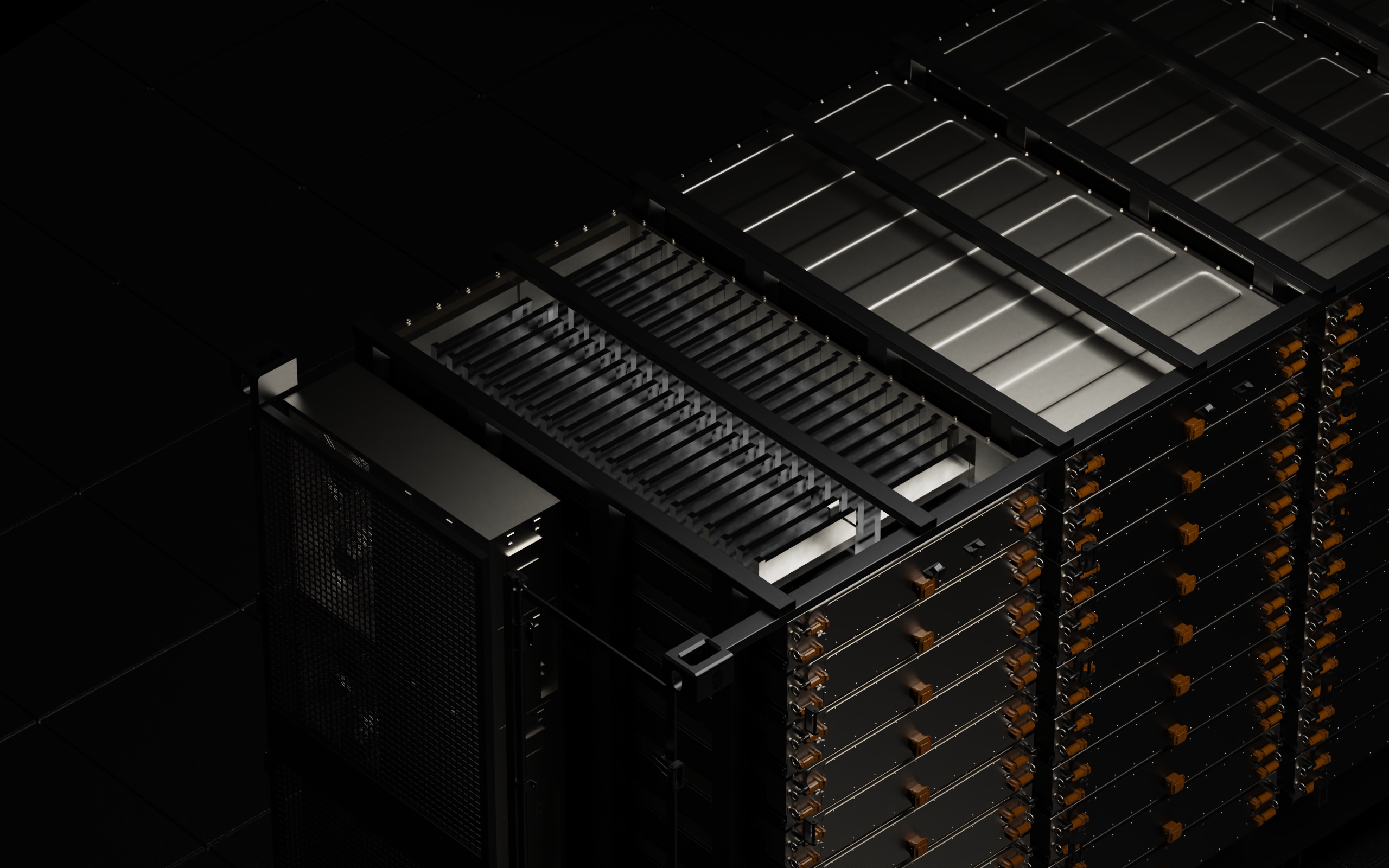
Distributed ESS JF1 optimized for the 2026 Sunshine Income Village

Utility ESS

Utility ESS


Vertical integration of design from cell level to system level

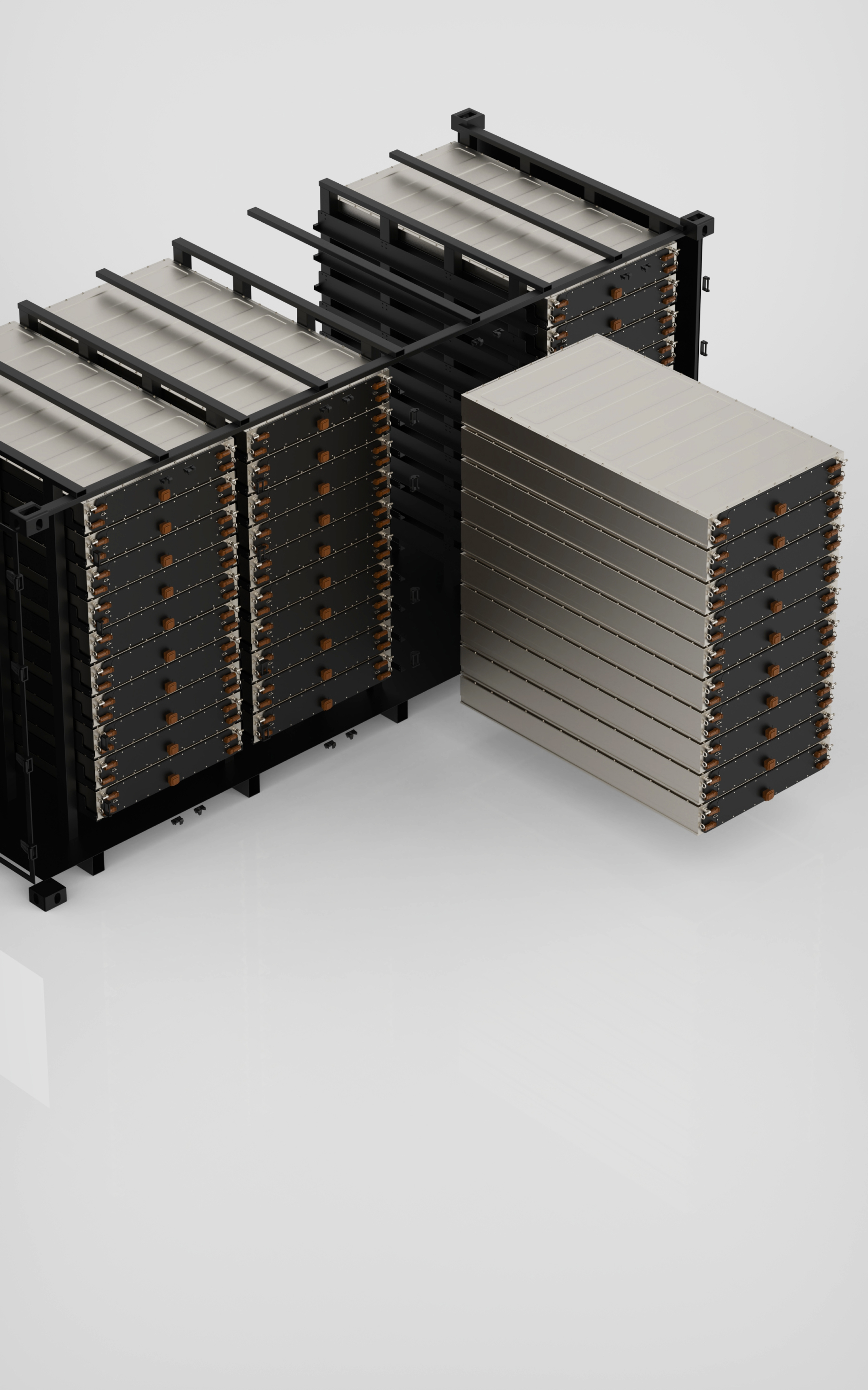
CTP (Cell to Pack) Architecture

CTP (Cell to Pack) Architecture

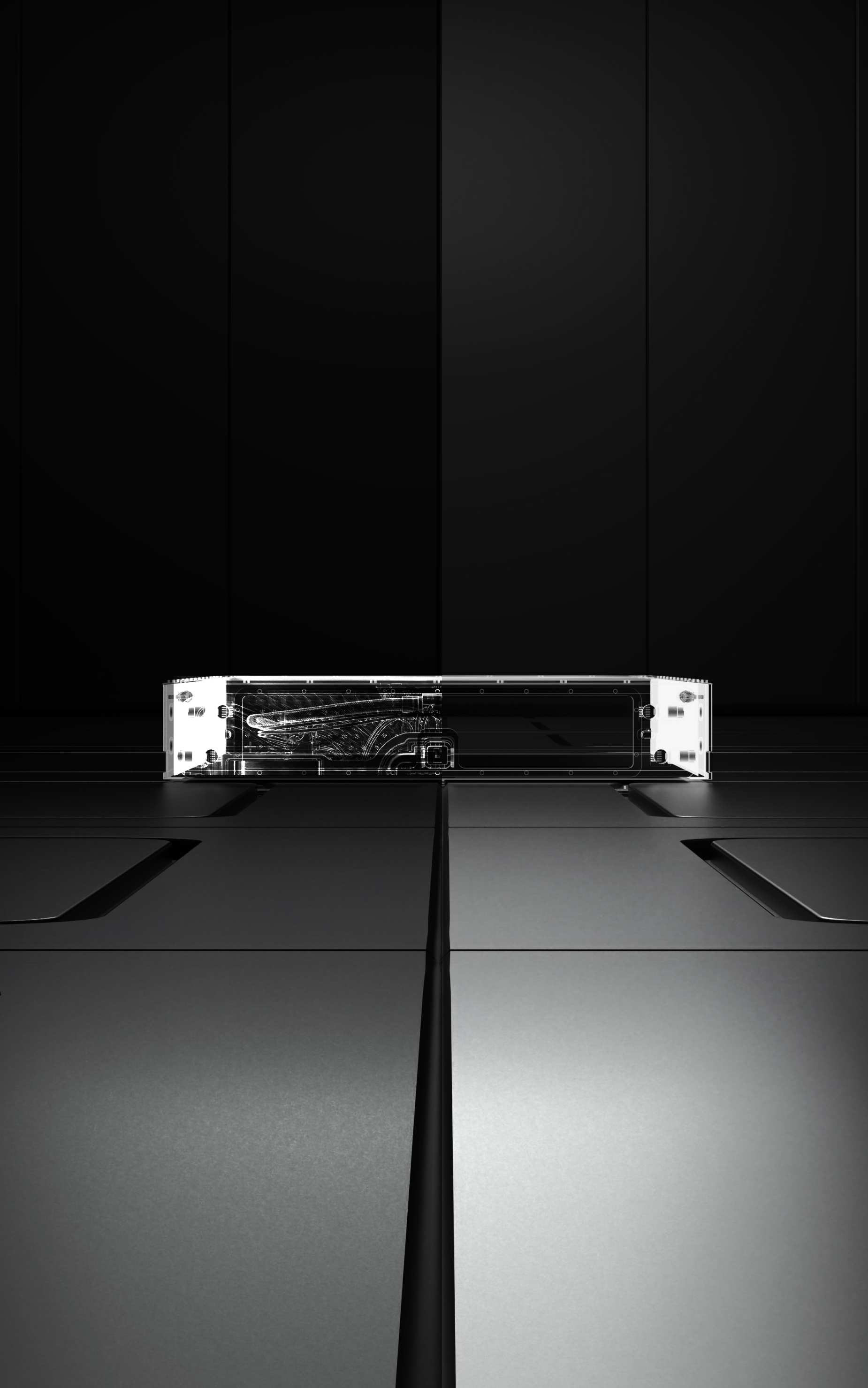
CTP (Cell-to-Pack) is a design approach that eliminates the intermediate 'Module' stage in battery assembly, directly integrating battery cells into the pack.

CTP (Cell to Pack) Architecture

Breakthrough Reduction in Part Count

Breakthrough Reduction in Part Count

Internal frames, end plates, inter-module busbars, and internal wiring harnesses previously required for module assembly are eliminated. This reduces component count by 30–40% or more, streamlining production processes and leading to direct cost reduction.
Maximizing Volume Utilization

Maximizing Volume Utilization

The inter-module gaps and wall thickness that previously occupied dead space inside the battery pack are eliminated. This raises the cell-to-pack volumetric utilization rate from the conventional 40–50% to over 70%, significantly increasing the energy density achievable within the same pack volume.

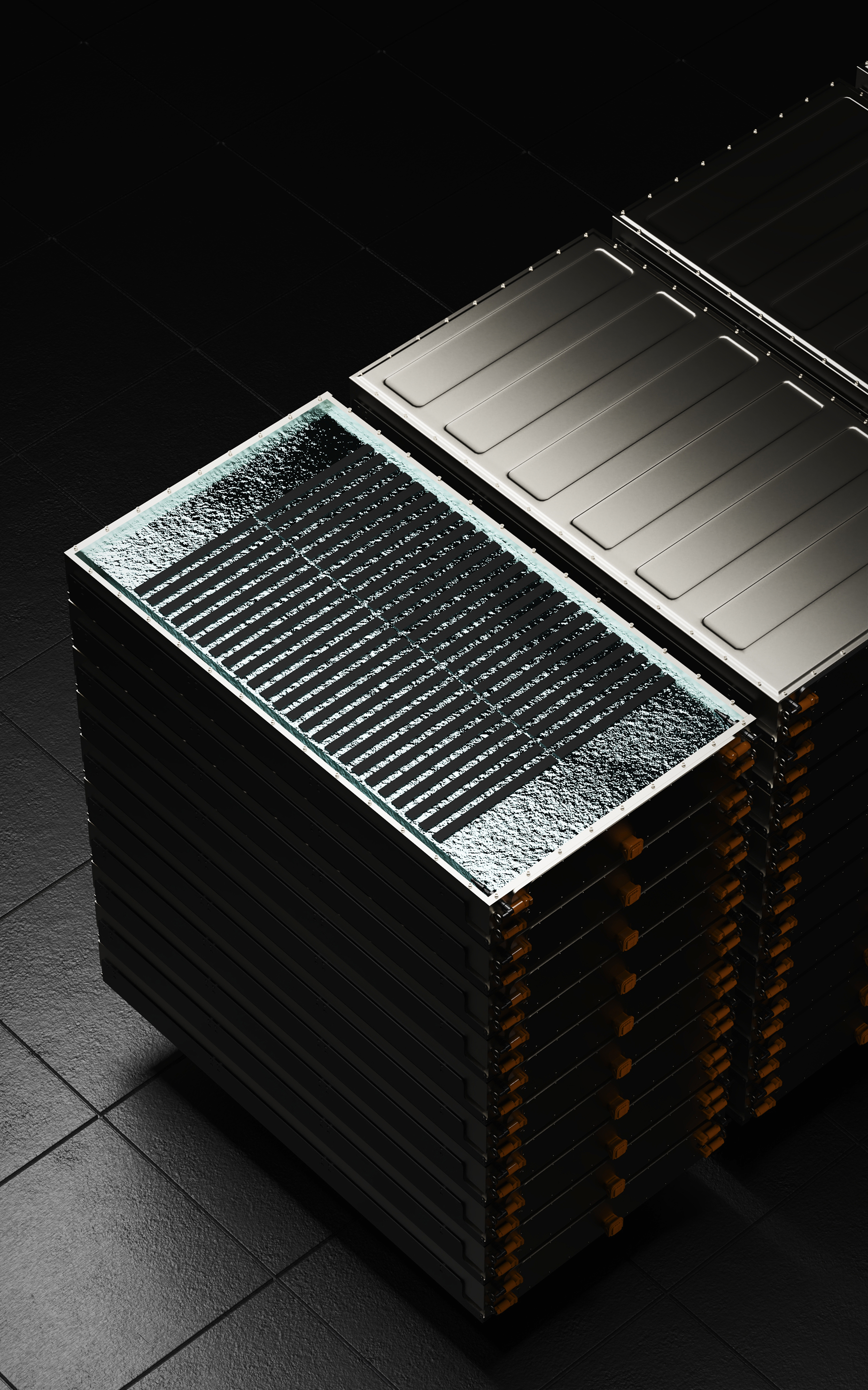
Selective Immersion Technology

Selective Immersion Technology

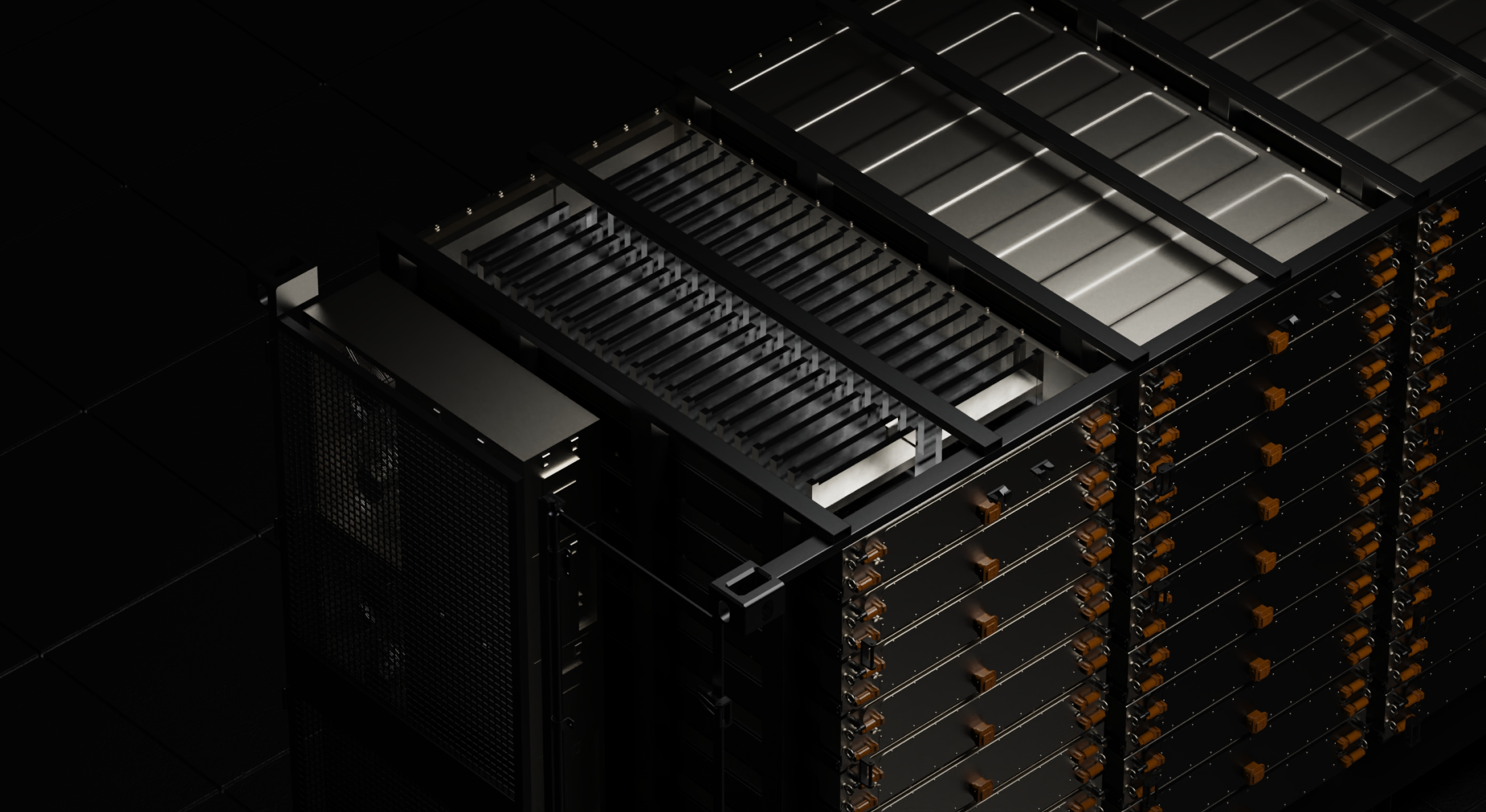
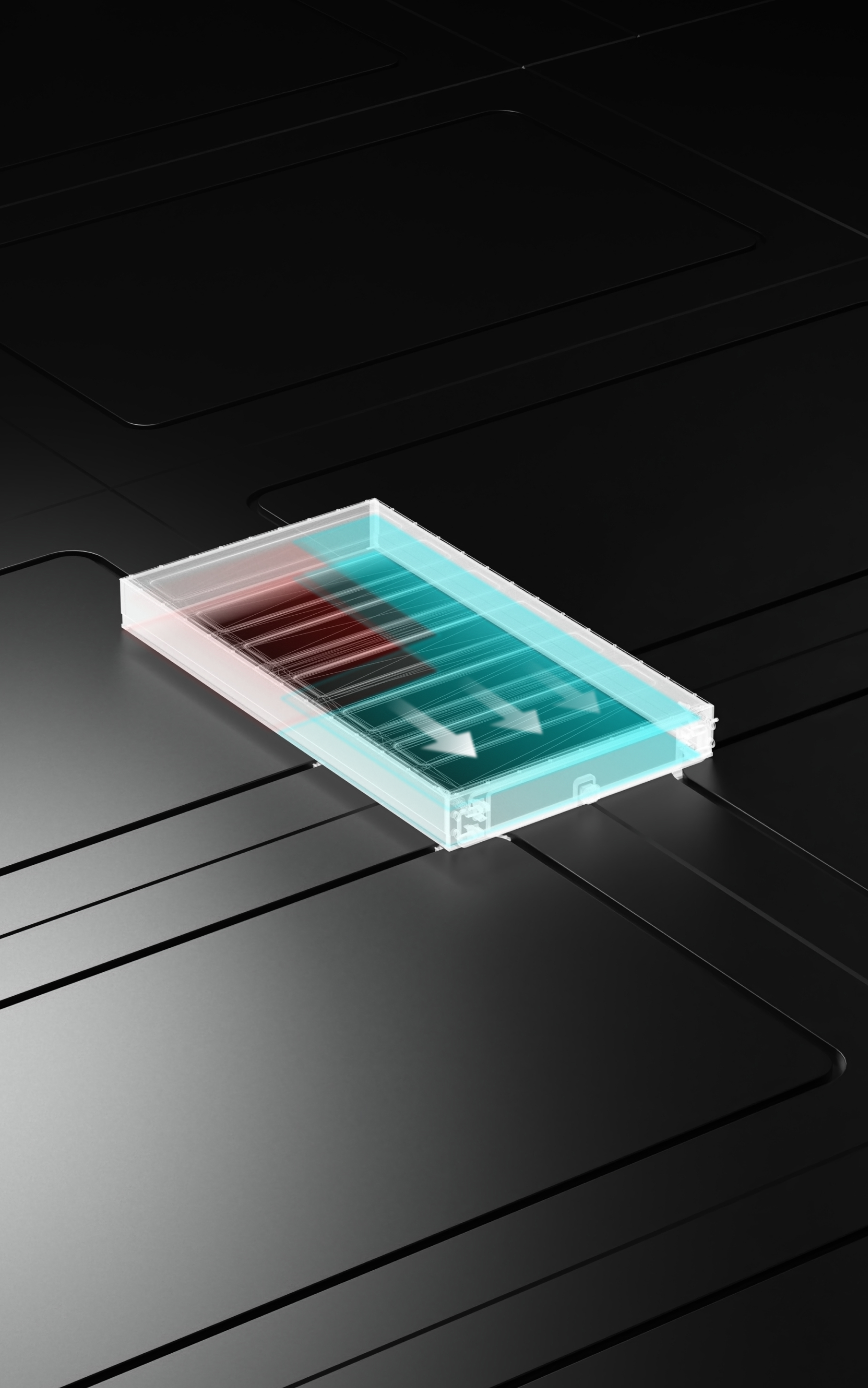
Precision thermal management technology that selectively cools hotspots by exposing core heat-generating areas (such as cell-to-cell contacts) to dielectric fluids.

Selective Immersion Technology

Maximizing Fire Safety

Maximizing Fire Safety

Battery cells are directly submerged in a specialized non-conductive dielectric liquid, completely blocking external oxygen. Even if abnormal overheating or fire occurs in a specific cell, the surrounding liquid immediately absorbs the heat, physically preventing chain ignition and thermal runaway from propagating to adjacent cells.

Reduction in Part Usage and Lightweighting

Reduction in Part Usage and Lightweighting

Unlike full immersion cooling, which submerges the entire system in liquid, only the heat-intensive core areas are targeted for cooling. This significantly reduces the amount of costly dielectric fluid required, while decreasing the overall weight and volume of the battery pack to enable a lighter and more compact system design.

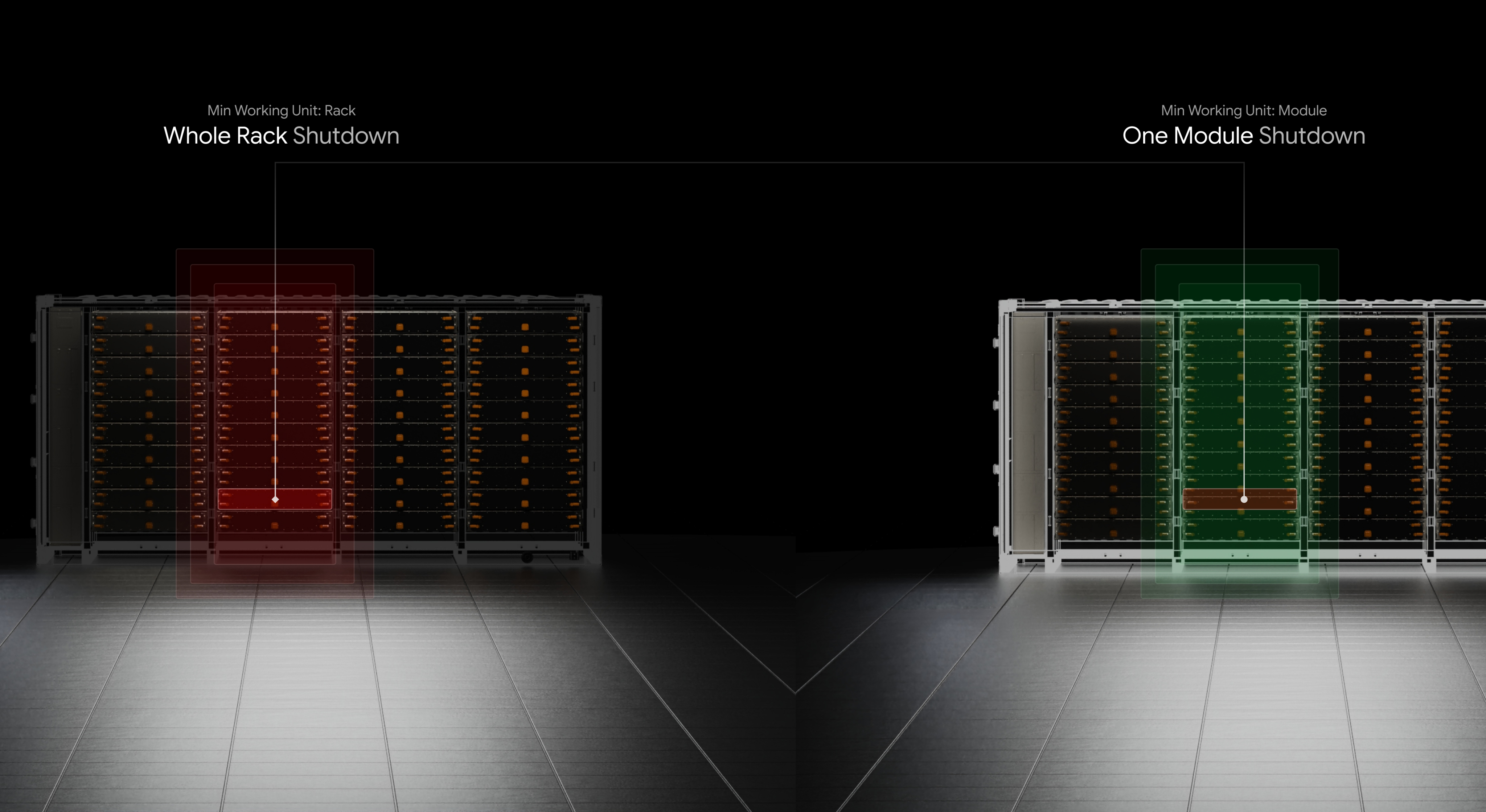
Stand-Alone Parallel Module Architecture

Stand-Alone Parallel Module Architecture

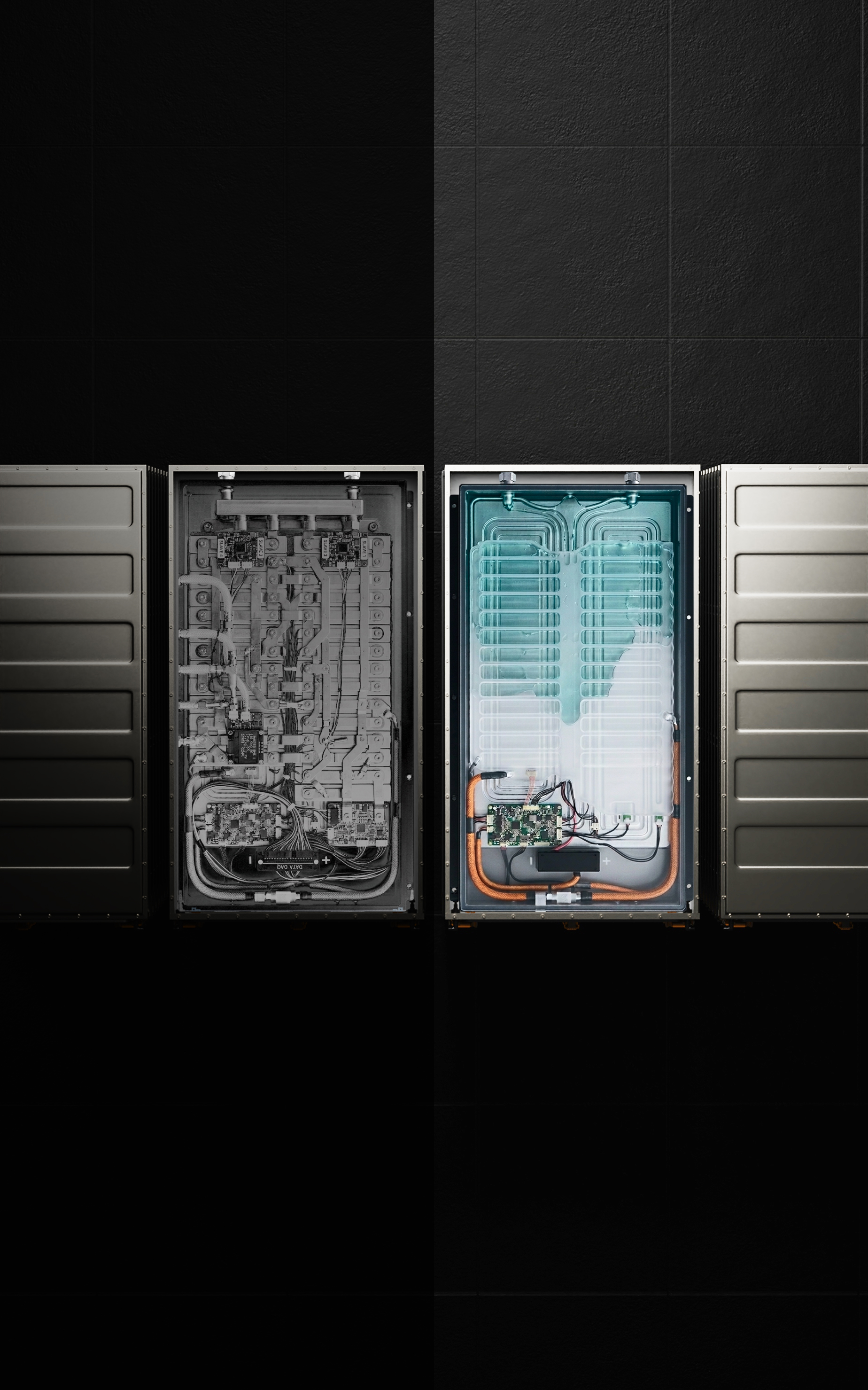
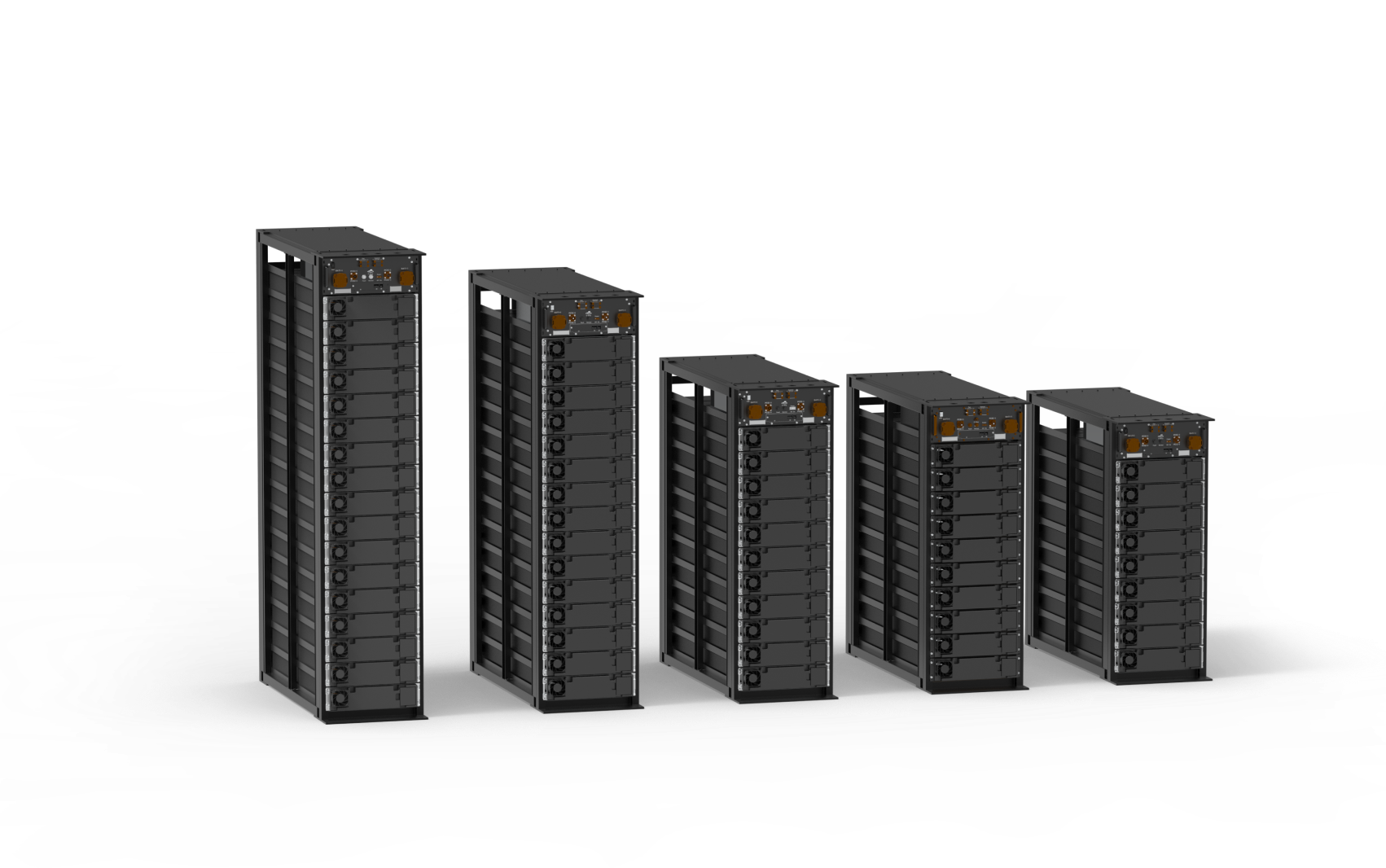
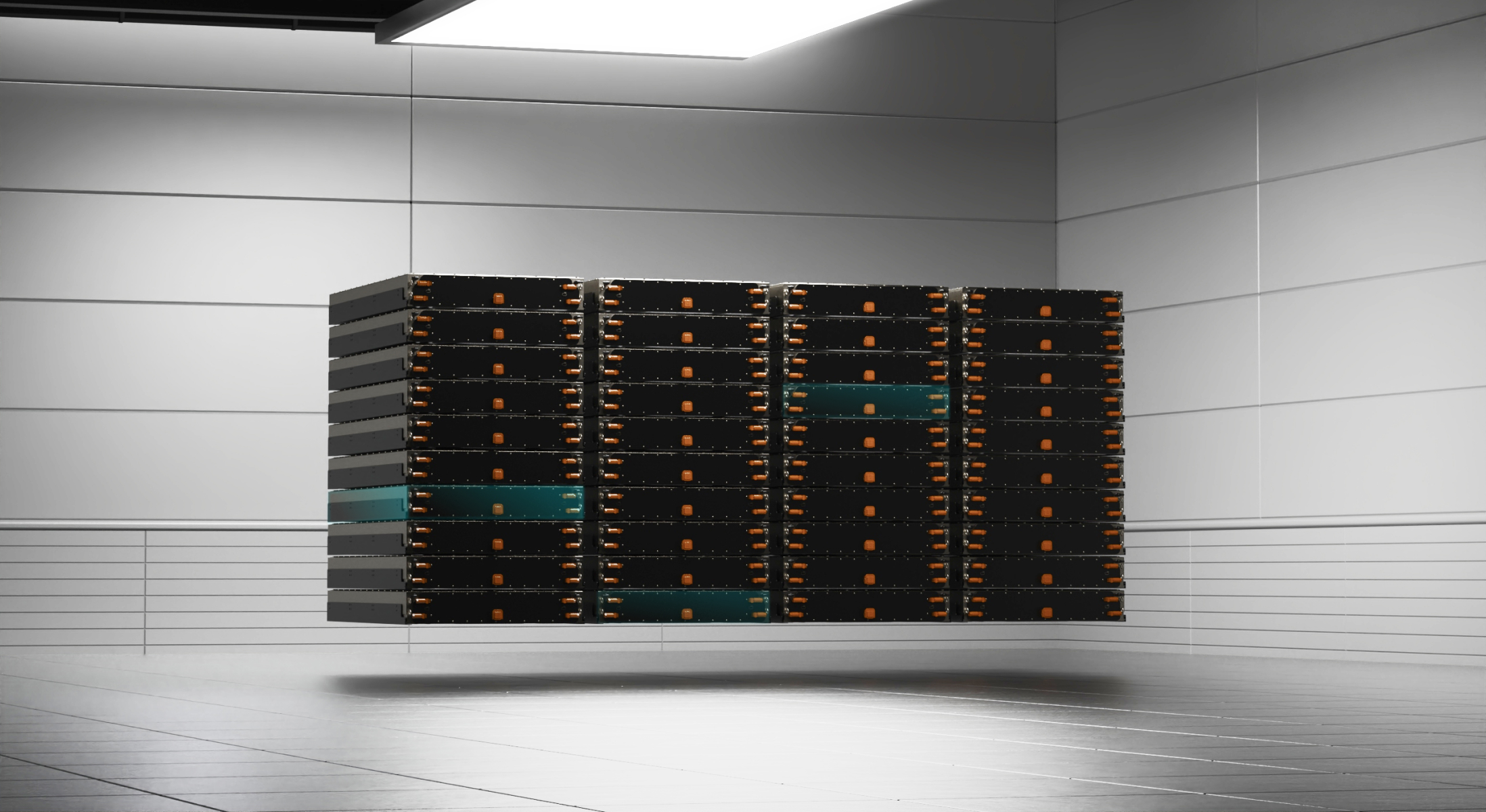
A design approach where each battery module possesses standalone control capabilities and is connected in parallel.

Stand-Alone Parallel Module Architecture

Maximized Availability and Maintainability

Maximized Availability and Maintainability

Increase fault-free uptime to maximize operational continuity. Even when failures occur, rapid diagnosis and recovery minimize economic losses and reduce the operational risk of downtime.

Efficient Balancing and Life Extension

Efficient Balancing and Life Extension

Prevent cell degradation caused by overcharging and over-discharging to maximize available battery pack energy. This significantly reduces replacement cycles and operational costs, delivering long-term efficiency.

Utility ESS Specification

Review our base specifications.

Check our baseline specifications. Download the product catalog for more comprehensive details.

Utility ESS Specification

BESSProduct

(1/3)Main Feature
  • TypeDC Block
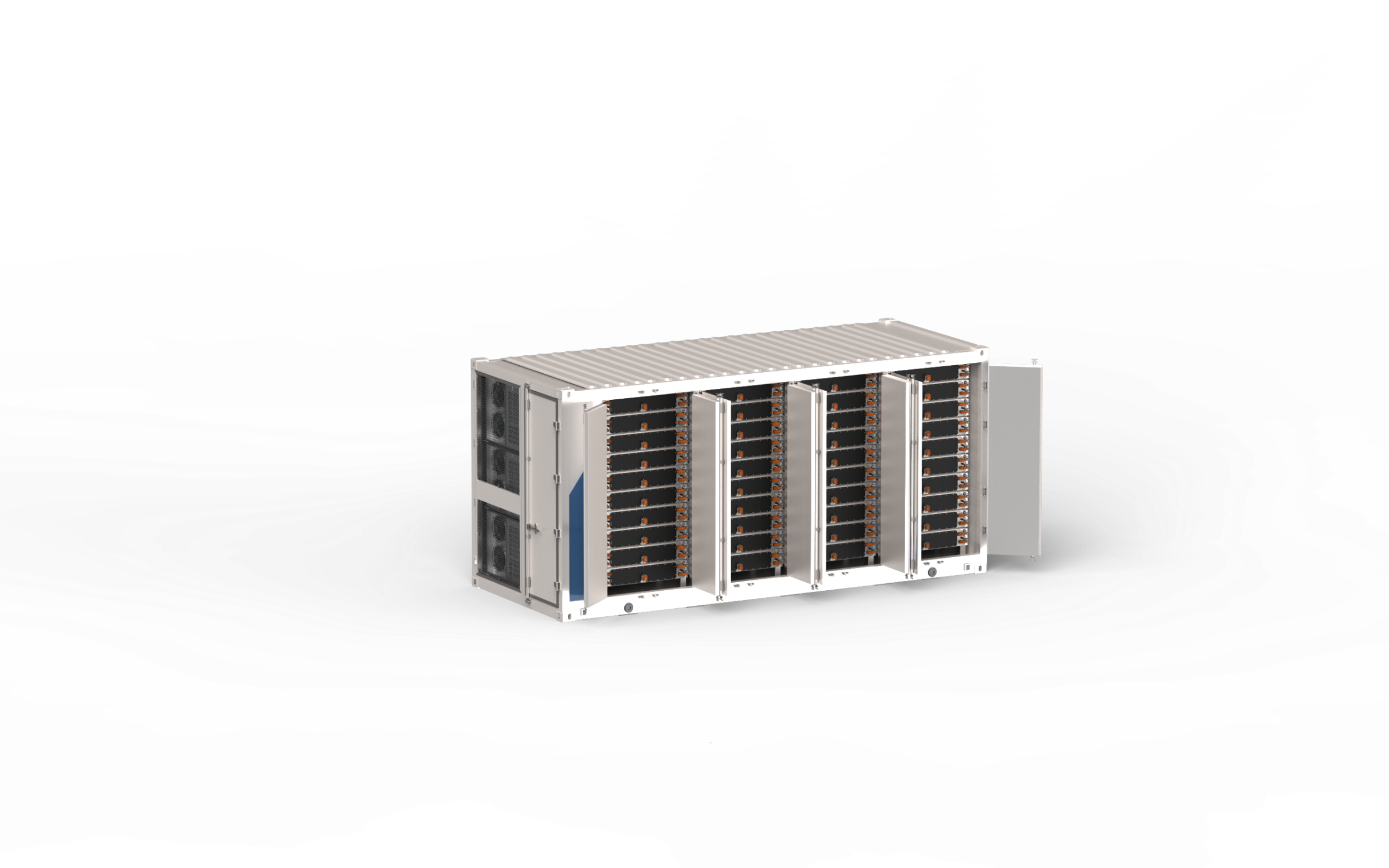
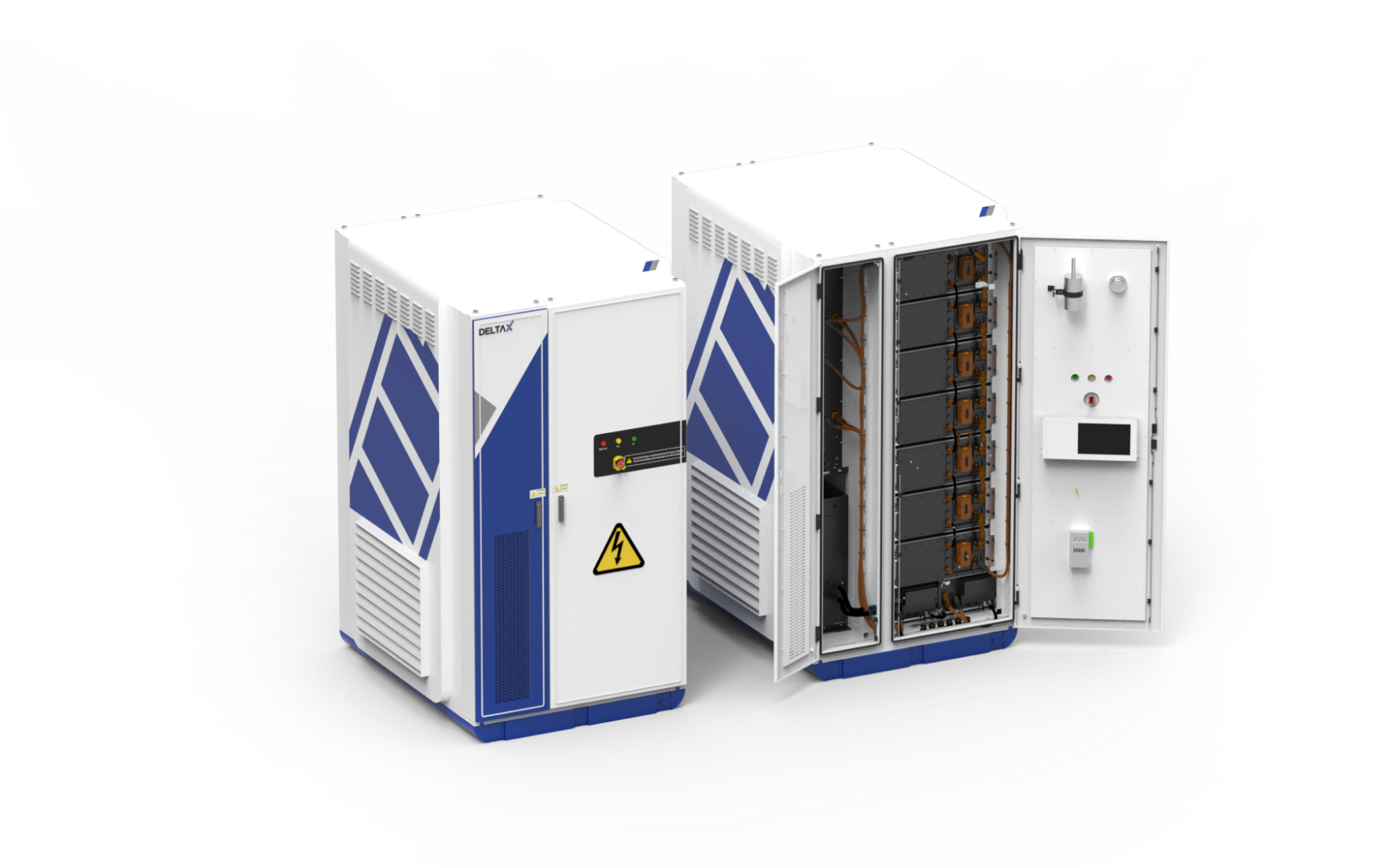
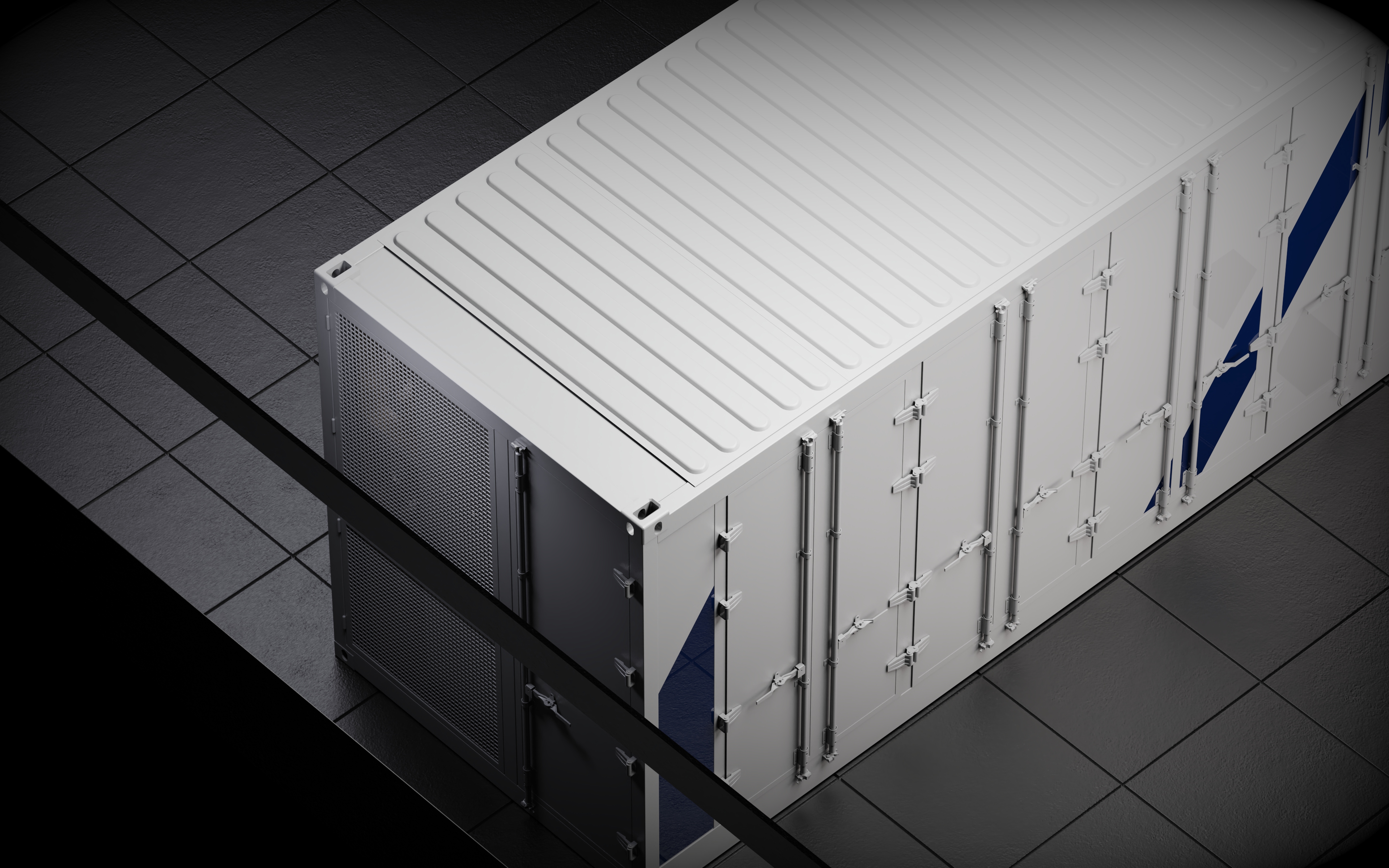
  • Enclosure20 ft Container
  • CoolingLiquid Cooling
  • Battery CellLFP (Pouch)
  • Power Rating0.5CP
  • Chiller60-80 kW
(2/3)Battery Module
  • Configuration1P400S
  • Nominal Voltage (V)1,280
  • Capacity (Ah)105
  • Energy (KWh)134.4
  • Dimensions (W x D x H) (mm)1,237.6 x 2,245.2 x 224.5
  • IP GradeIP67
(3/3)ESS System
  • Configuration400S40P
  • Nominal Voltage (V)1,280
  • Capacity (Ah)4,200
  • Energy (MWh)5.38
  • Weight48 ton
Download Catalog

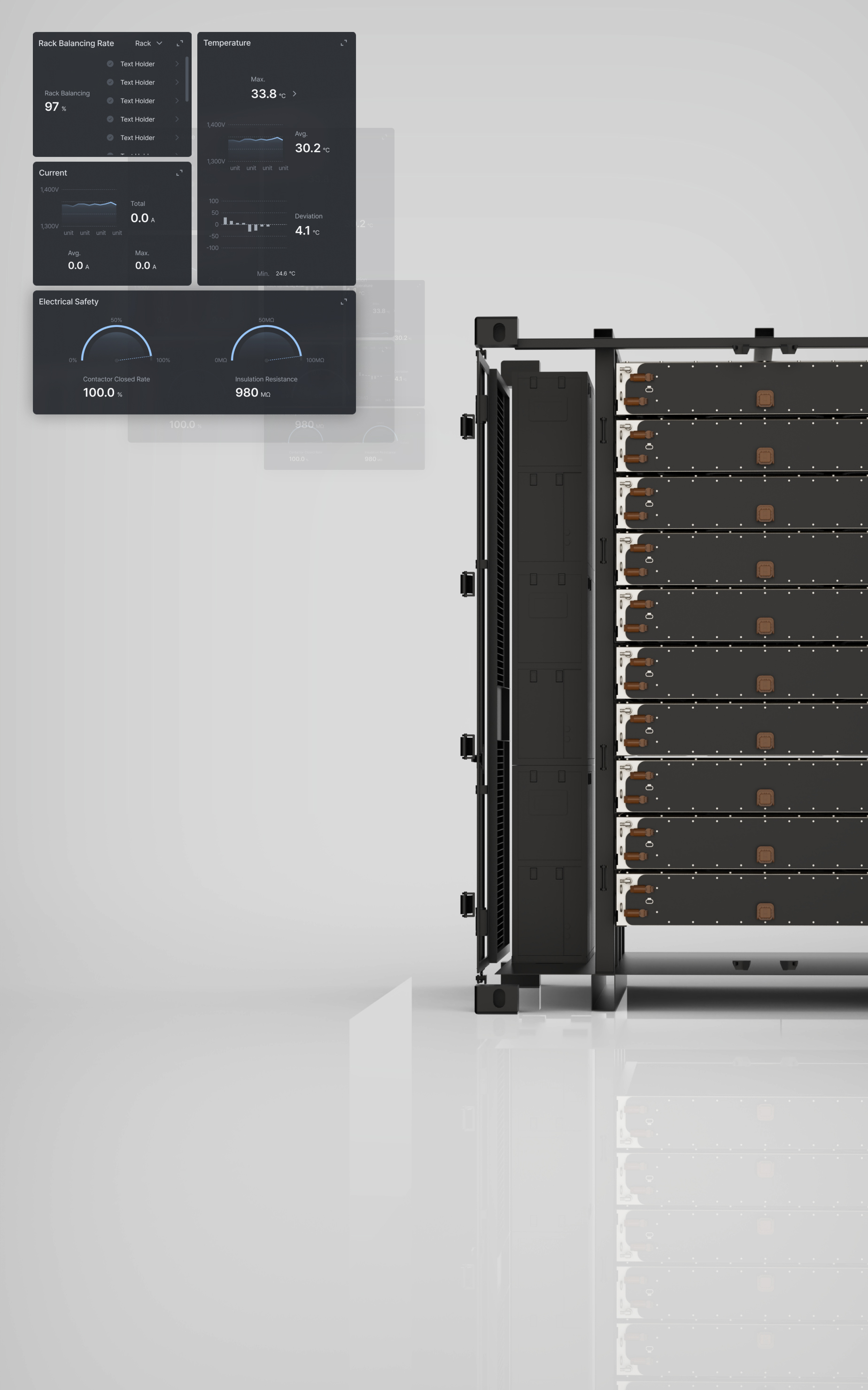
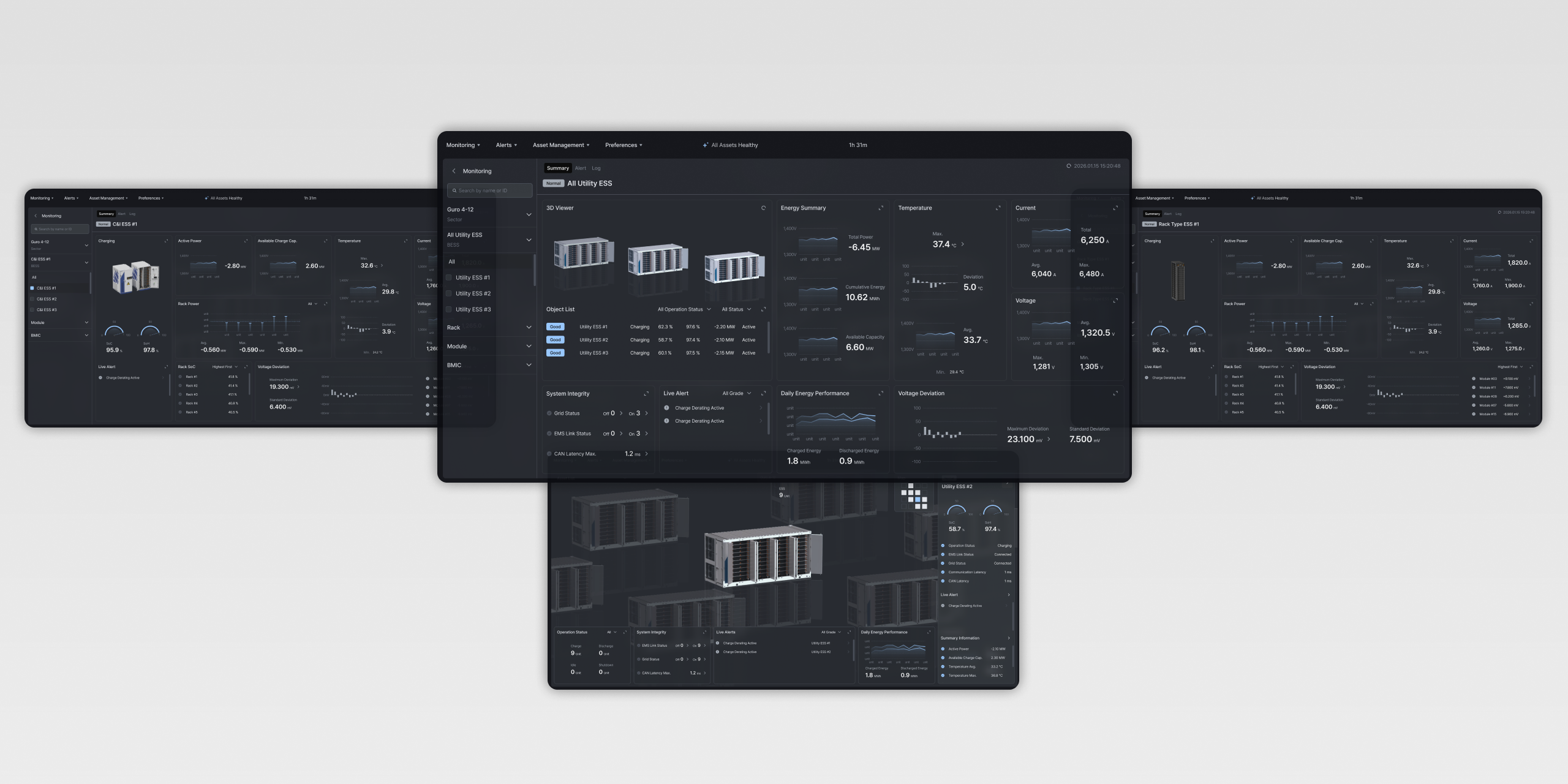
Energy Monitoring System for Utility ESS

It is because we have turned expectations into certainty through world-class technology and a sophisticated R&D process.

Product Gallery6
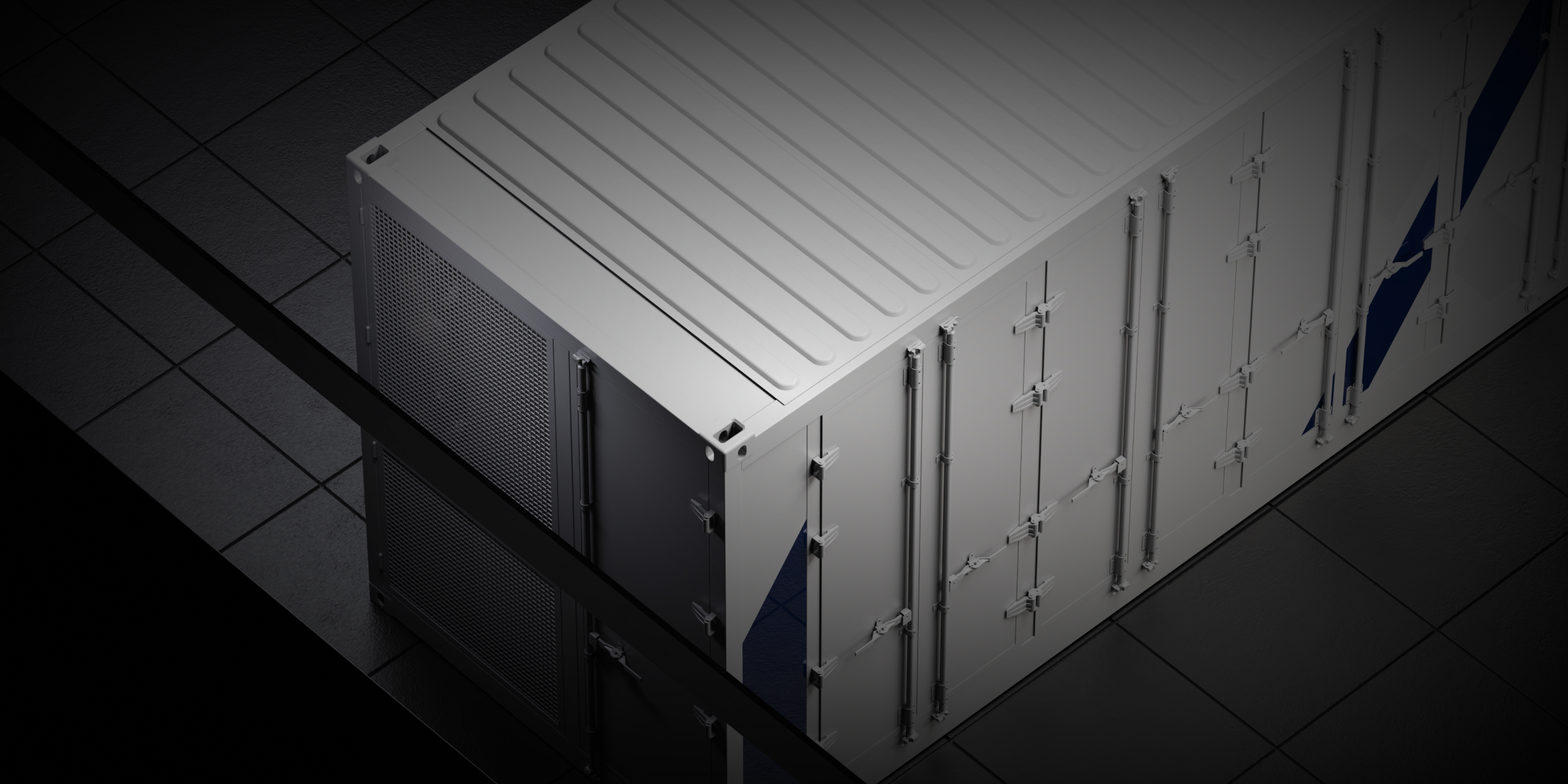
Perspective View

Perspective View

Utility ESS

CTP (Cell to Pack) Architecture

CTP (Cell to Pack) Architecture

Utility ESS

Selective Immersion Technology

Selective Immersion Technology

Utility ESS

Maximizing Fire Safety

Maximizing Fire Safety

Utility ESS

Stand-Alone Parallel Module Architecture

Stand-Alone Parallel Module Architecture

Utility ESS

Efficient Balancing and Life Extension

Efficient Balancing and Life Extension

Utility ESS

Discover the Ideal ESS for Your Infrastructure

C&I ESS

C&I ESS

Includes intelligent monitoring systems dedicated to Utility-scale ESS.

Advanced ODM/OEM support based on standard base models.

Learn More
Rack Type ESS

Rack Type ESS

Includes intelligent monitoring systems dedicated to Utility-scale ESS.

Advanced ODM/OEM support based on standard base models.

Learn More